
Este sitio también está en español. Leer en español

Topic

Credit

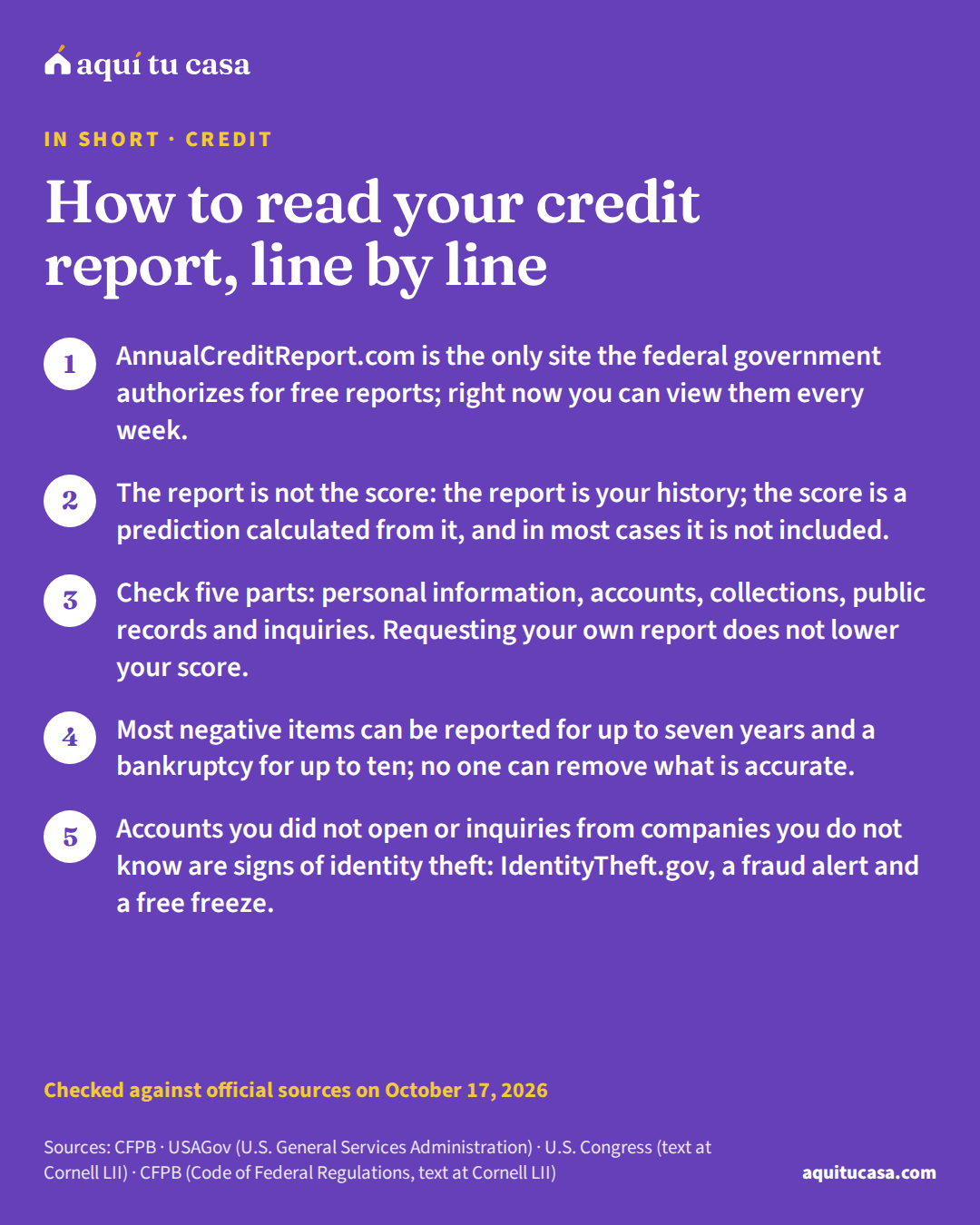
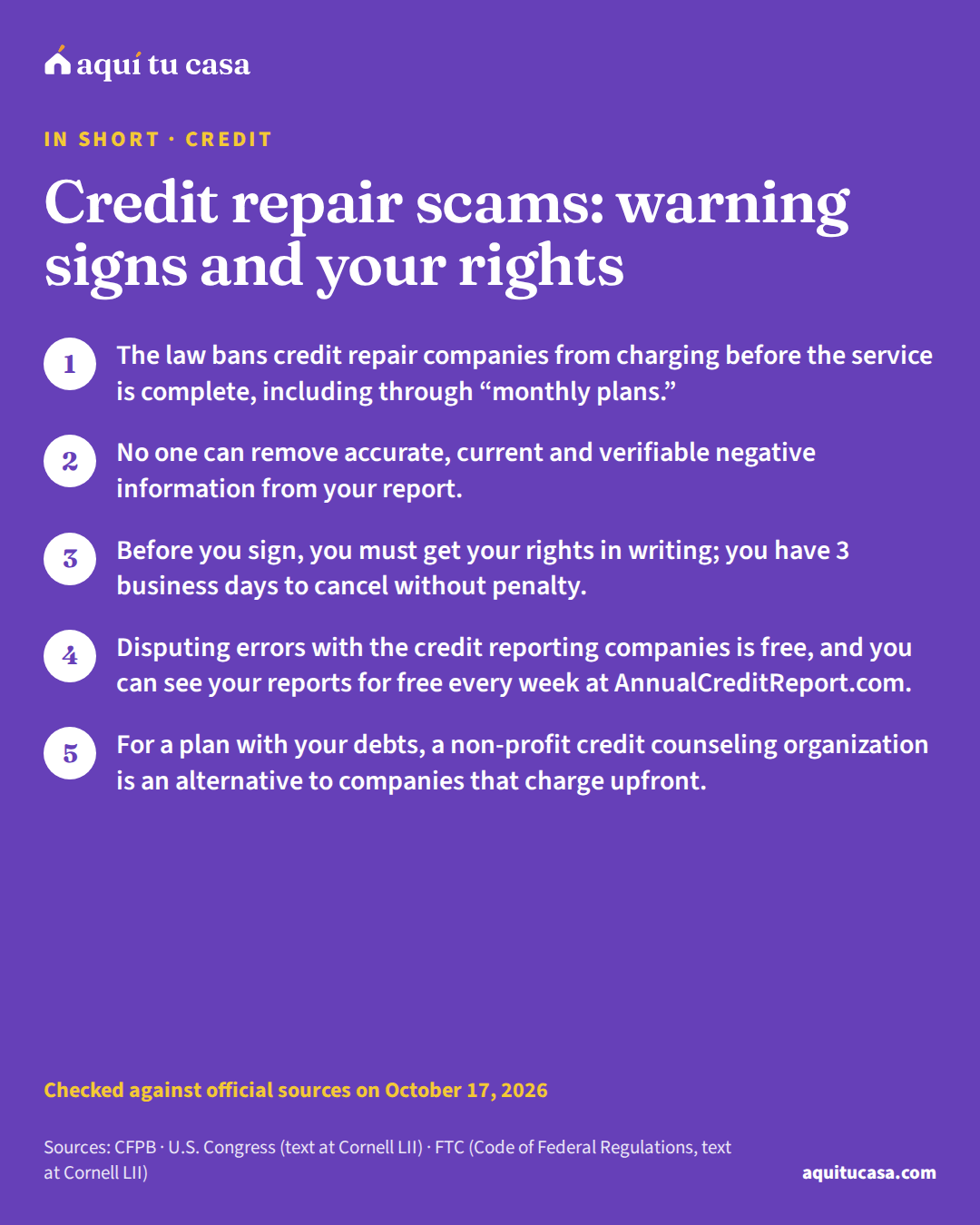
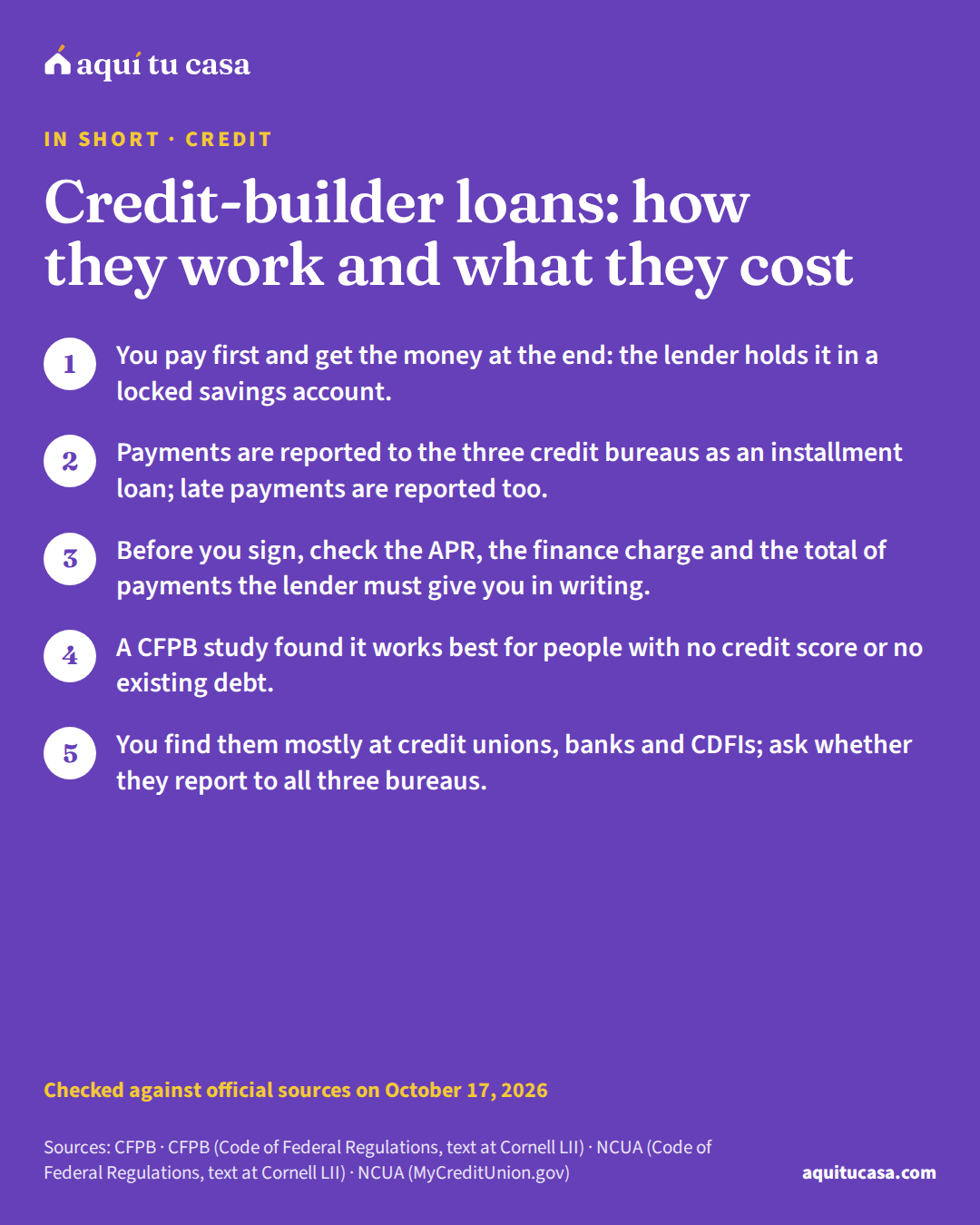
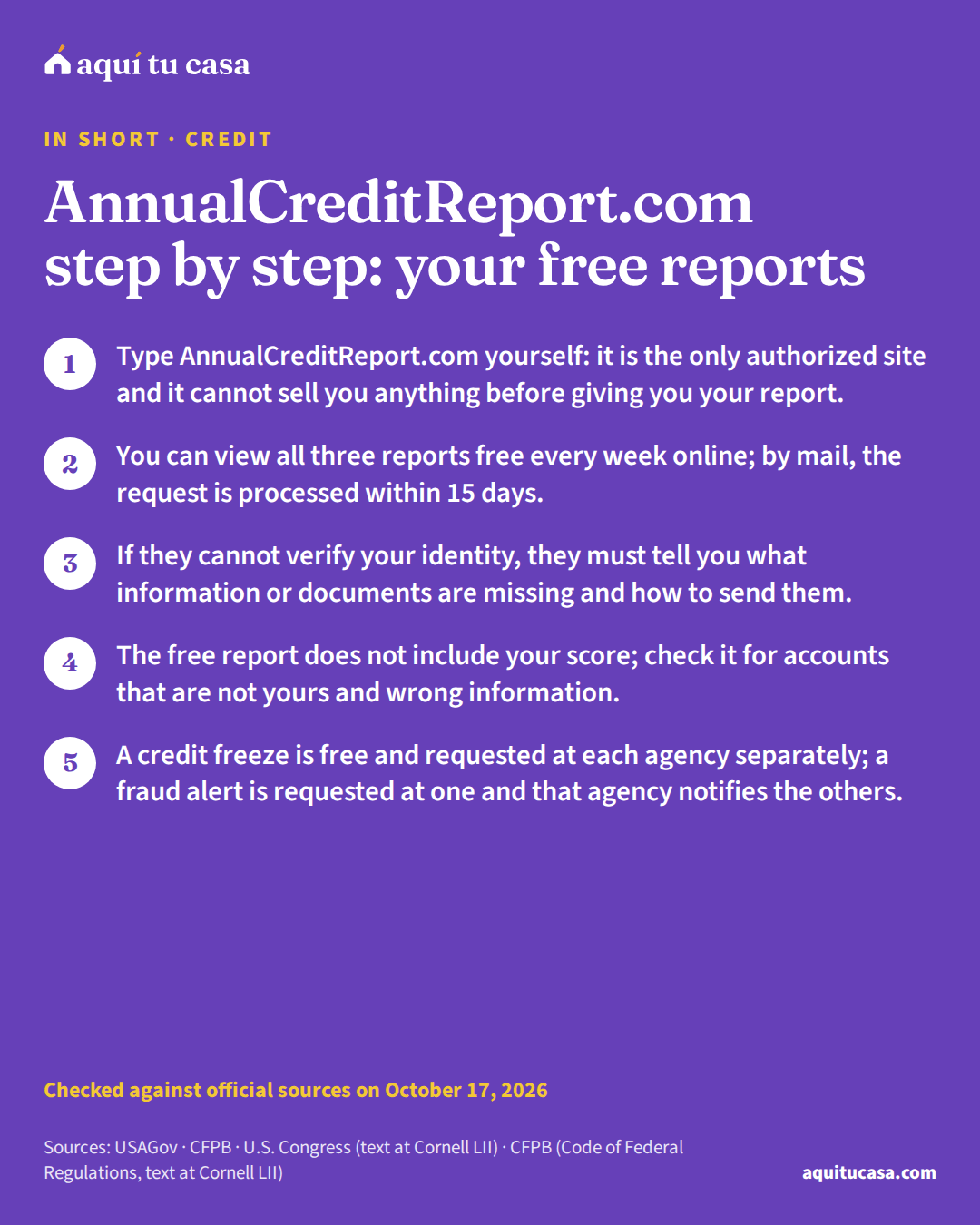
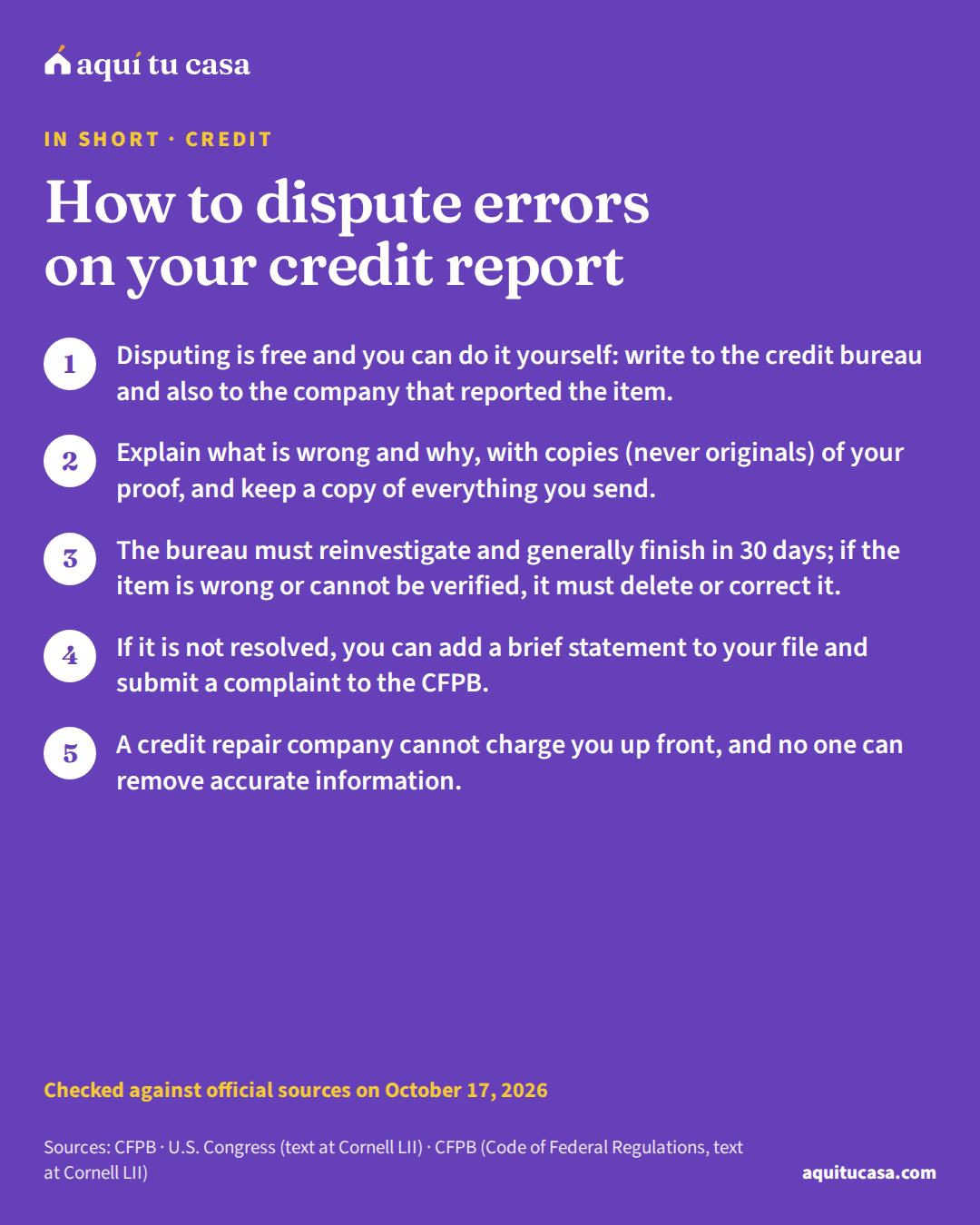
How to start a history, raise your score and read your report without paying for it. Also how to dispute errors, how to deal with debt collectors and how to avoid credit repair scams.

  • 16 guides
  • Last verified: October 31, 2026
A man reads his mail outdoors in front of his building.

Stage 1 of 3

Building your credit

How a history starts, what raises it and lowers it, and what to look for in your report.

14 guides in this stage

The data behind these guides

Today’s official numbers

The guides on Credit cite these figures. They update when their sources publish new ones; what you see here is current.

See all the data
30-year fixed rate this week
7.18%
15-year fixed rate this week
6.57%
Typical household income per year in the United States
$80,734

Sources: Freddie Mac (As of November 5, 2026) · U.S. Census Bureau (Average 2020–2024)

Tools

Run the numbers with your own figures

The calculators these guides use. Each one leaves you with a result you can use today.

See all 26 tools

Stage 2 of 3

Buying and closing

From the first paper to the day you get the keys: who is involved, what you sign and what each step costs.

1 guide in this stage

A couple reads a leaflet together on the sofa at home.

Featured guide 13 minute read

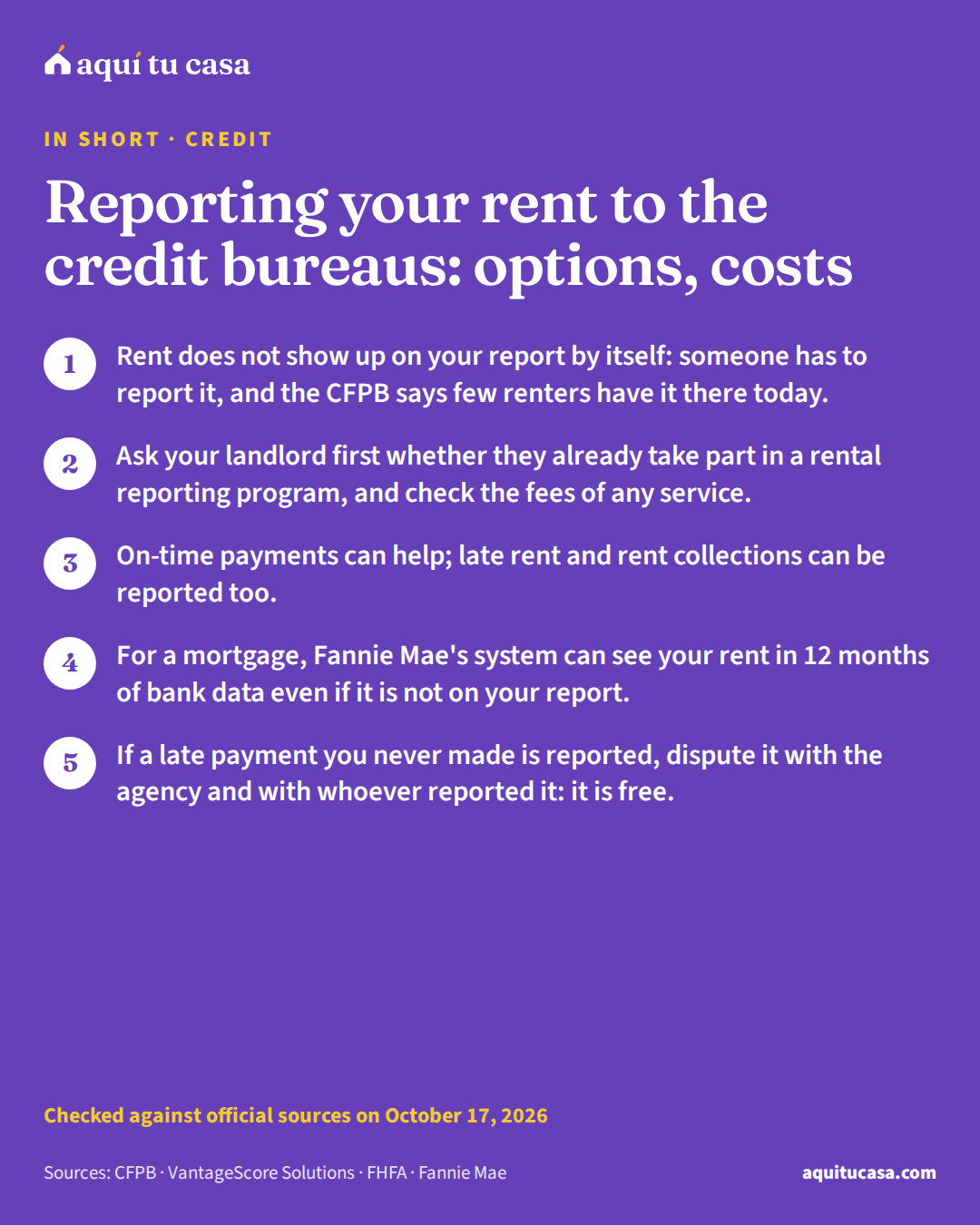
Nontraditional credit for a mortgage: buying with no score

How Fannie Mae and FHA accept rent, utilities, insurance and remittances as credit history when you have no score: requirements, documents and limits.

The most important thing

Without a score, the lender can build your history from rent, utilities, phone, insurance, childcare, tuition and, at Fannie Mae, remittances.

Verified on October 17, 2026

Stage 3 of 3

Protecting yourself and knowing your rights

The most common scams, the laws that protect you and who to turn to when something is off.

1 guide in this stage

A woman smiles as she sits on a bench in the city.

Featured guide 11 minute read

Identity theft: how to freeze your credit and recover

What to do if your identity is stolen: close accounts, place a fraud alert, freeze your credit for free and report it at IdentityTheft.gov.

The most important thing

Freezing your credit is free, does not lower your score and takes 1 business day by phone or online.

Verified on October 31, 2026
Frequently asked questions

What people ask most about credit

Short answers taken from the guides on this topic; each one links the guide that explains it with its sources.

Do I need a Social Security number to have credit?

A report is built from what companies report, not from one particular number. Before you apply, ask the bank or credit union whether it accepts an ITIN or another ID on its application and whether it reports your payments to the three bureaus. The second part is what makes a history exist.

Read the full guide

What does a payday loan really cost?

The CFPB says many states allow fees of $10 to $30 per $100. With a typical fee of $15 per $100, borrowing $300 costs you $345 in a couple of weeks, and if you roll it over once you pay $90 for a month. That equals an APR of almost 400% on a two-week loan.

Read the full guide

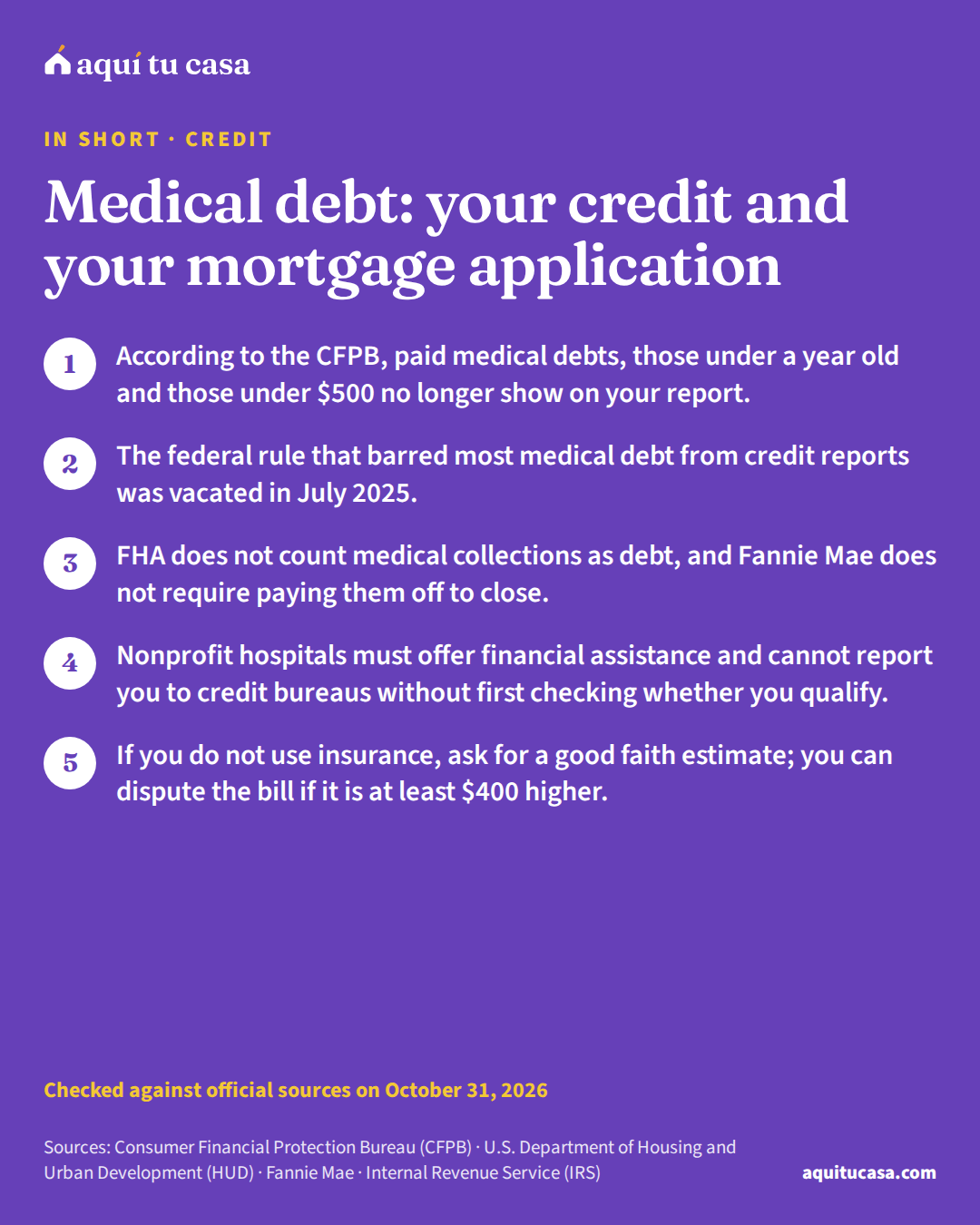
Is medical debt no longer reported?

Some still is. According to the CFPB, the three credit bureaus removed paid medical debts, those under a year old and medical collections under $500. But these are bureau policies, not a law. The federal rule that went further was vacated by a court in July 2025.

Read the full guide

Does freezing my credit lower my score?

No. The FTC says freezing your credit does not affect your score. It only keeps new credit accounts from being opened in your name, even by you, until you lift it.

Read the full guide

See all 123 questions about credit

Keep going

The full path with its steps in order, the calculators these guides use, and the agencies their rules come from.

The full path

Credit & money

This topic is part of a path with steps in order, so you know what to do first. Credit from zero and family money. 8 steps in order.

See the path

Official sources behind these guides

Every rule, number and date in these guides comes from what these agencies publish. Each guide links the exact page.

  • CFPB
  • U.S. Congress
  • Fannie Mae
  • FTC
  • NCUA
  • VantageScore Solutions
  • IRS
  • FHFA

and 8 more official sources

How we make the guides