Weatherization Assistance Program (WAP): energy repairs for your home
How DOE's Weatherization Assistance Program (WAP) works: who qualifies, what gets fixed in your home, how to apply and what protects renters.
Verified against official sources on October 31, 2026 6 official sources

Show contents
In short
What you need to know
Quick answer
The Department of Energy's Weatherization Assistance Program (WAP) fixes homes of low-income families so they use less energy and are safer: it seals air leaks, adds insulation and repairs or replaces heating. Under DOE's rules, households with income up to 200% of the poverty level or receiving SSI qualify, and older people, people with disabilities and families with children get priority. Owners and renters can apply. Local agencies run it: find yours on your state's website. There is usually a waiting list.
What matters most
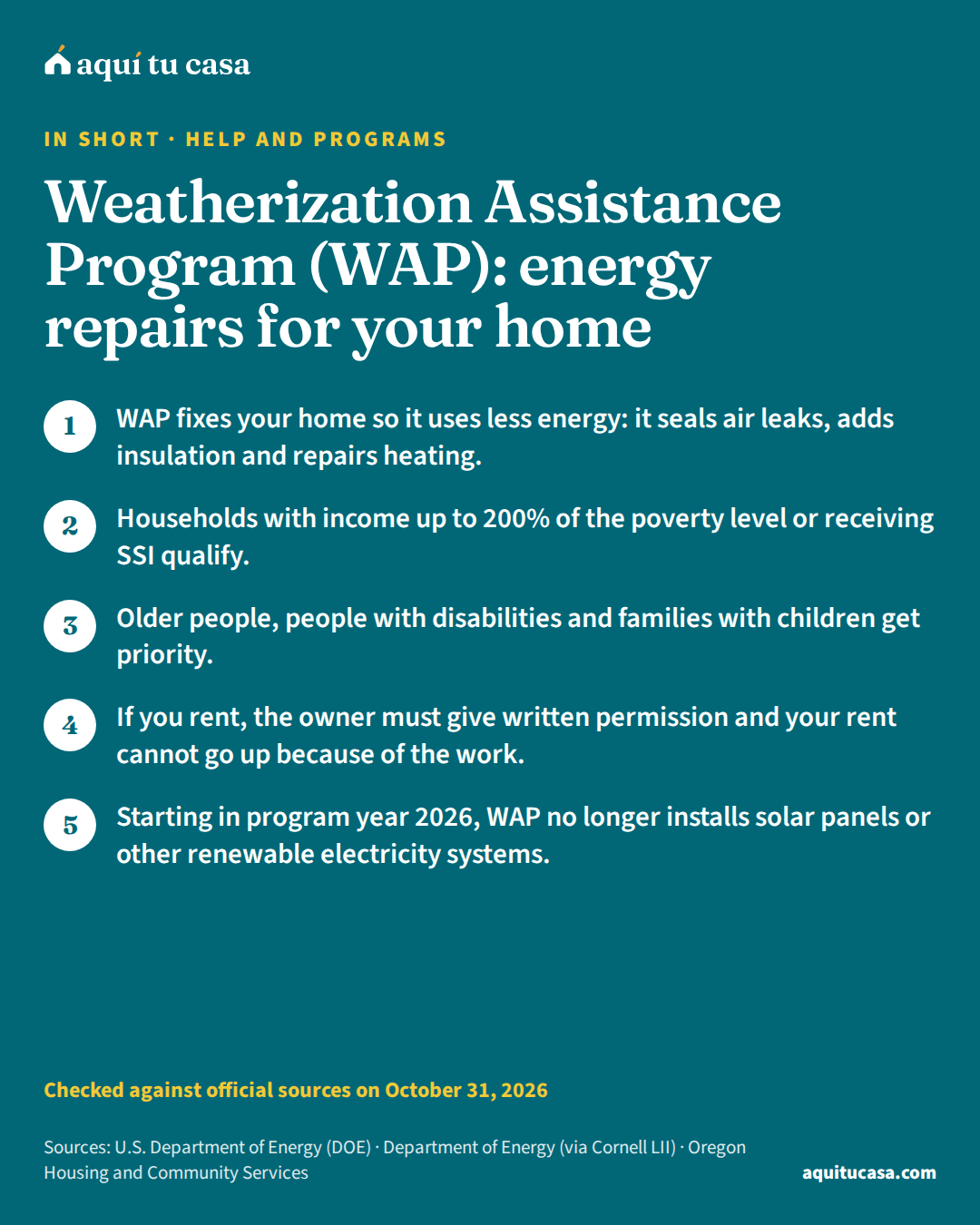
- WAP fixes your home so it uses less energy: it seals air leaks, adds insulation and repairs heating.
- Households with income up to 200% of the poverty level or receiving SSI qualify.
- Older people, people with disabilities and families with children get priority.
- If you rent, the owner must give written permission and your rent cannot go up because of the work.
Is this for you?
This guide is for you if…
- Your electric or gas bills are very high and your home loses heat or cool air through windows, the roof or doors.
- You have a low income, own or rent, and want to know whether your home can be insulated or your heating fixed.
- You help an older relative, or one with a disability, who is cold or hot at home.
Get direct help first if…
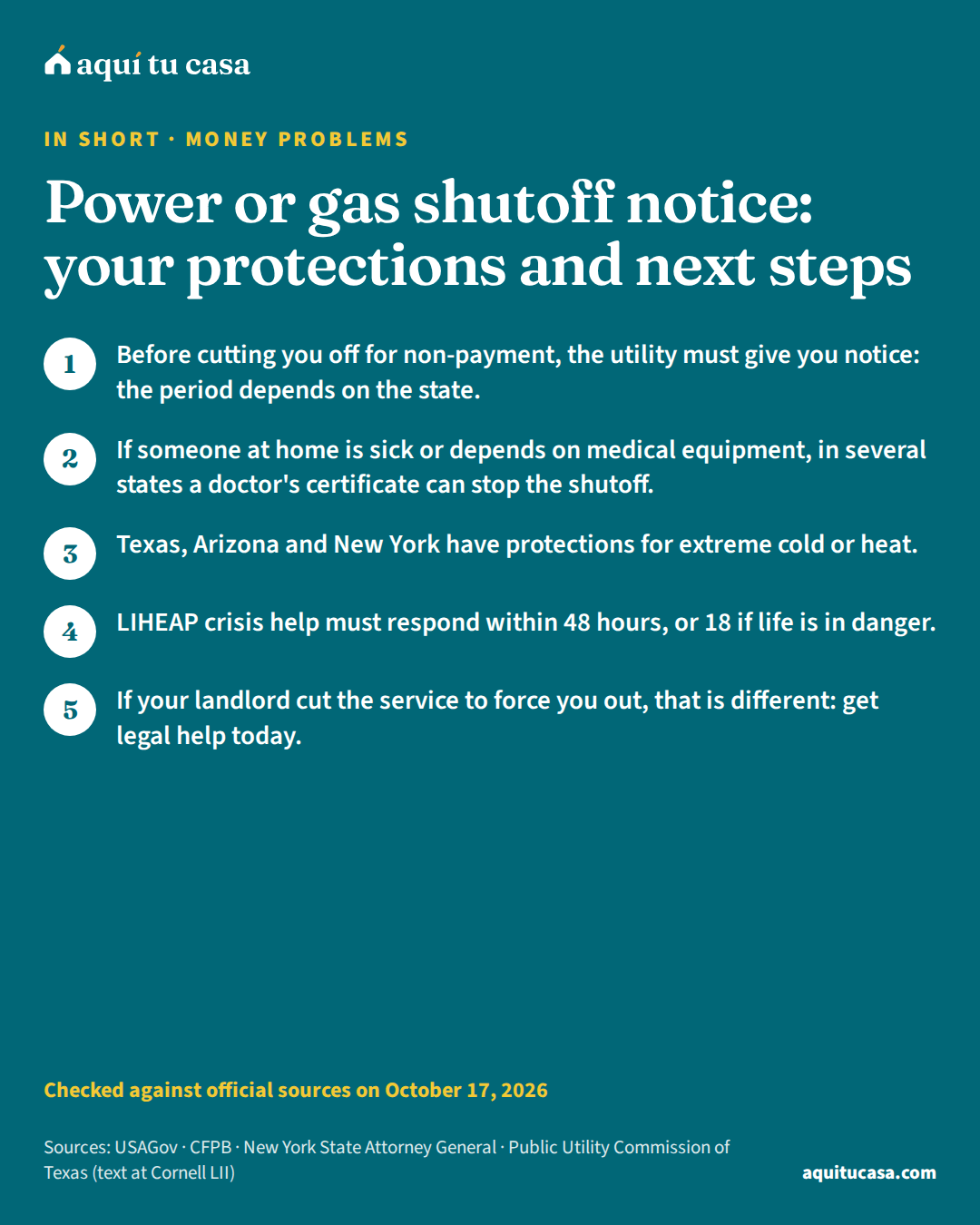
- Your power or gas will be shut off this week: read the LIHEAP and utility shutoff guides first, which cover crisis help.
- Someone knocked on your door offering free government solar panels: read the solar panels and PACE loans guide first.
If your home loses heat in winter or cool air in summer, you overpay every month. The Weatherization Assistance Program, known as WAP, exists for exactly that: it fixes homes of low-income families so they use less energy and are safer.1 This guide explains who qualifies, what gets done in your home, how to apply and what protects you if you rent.
What WAP is and what it does for your home
WAP is a Department of Energy (DOE) program. It lowers energy costs for low-income households by making their homes more efficient, while protecting their health and safety.1 The money comes from the federal government, but states and local agencies run the program.2 For program year 2026, the appropriations law signed on January 23, 2026 funded it through September 30, 2027, including $328 million for the repair program.5
DOE says the program focuses on proven measures: air sealing, insulation and heating and cooling equipment upgrades.5 Each state builds its own list. In Oregon, for example, services may include:6
- Ceiling, wall and floor insulation.
- Energy-related minor repairs.
- Air leak reduction.
- Furnace repair or replacement.
- Heating duct improvements.
- Education on saving energy.
Oregon’s agency says it provides these services at no cost to eligible households.6 Ask your state how it works there.
Who qualifies
Under DOE’s rules, a home is eligible if the family living there meets one of these conditions:3
- Income at or below 200% of the poverty level.
- A member who received cash assistance, such as SSI, in the last 12 months.
- Eligibility for LIHEAPLIHEAP (Low Income Home Energy Assistance Program)LIHEAP (the Low Income Home Energy Assistance Program) is a federally funded program that helps with home energy costs, such as heating and cooling. According to the Administration for Children and Families (ACF), it can help with bills, energy crises, preventing shutoffs or reconnecting service, weatherization and minor energy-related repairs. It targets low-income households with a high energy burden or with members who are elderly, disabled or young children. You apply through your local LIHEAP office, and the program does not charge a fee for help.See the full definition, if your state chooses to use that test. DOE explains that test is 60% of state median income.2
The regulation also gives priority to five groups: older people, people with disabilities, families with children, households that use a lot of energy and households that spend a high share of their income on energy.4 Each state may define more. In Oregon, for example, priority includes people 60 or older and households with children under six.6
Both owners and renters can apply.2 The provider will ask for proof of the prior year’s income, such as pay stubs or Social Security payments.2 Ask which documents they accept before your appointment, and do not give information you are not asked for.
How to apply, step by step
From your call to a repaired home
1. Find your state administrator
Today
DOE's site has a map with the agency for each state, territory or tribe.2
2. Find your local provider
This week
Your state's site usually lists providers by county, with phone and address.2
3. Fill out the application
When you call
You will be asked for proof of your household's income for the prior year.2
4. Wait for your turn
It can take a while
If you are income eligible, you go on a waiting list; the program's priorities count.4
5. The energy audit
When your turn comes
An auditor reviews your bills, runs an air-leak test and inspects the whole home.2
6. The work and the final inspection
On the plan's schedule
They explain the work and dates; at the end an inspector checks that everything runs safely.2

What happens in the energy audit
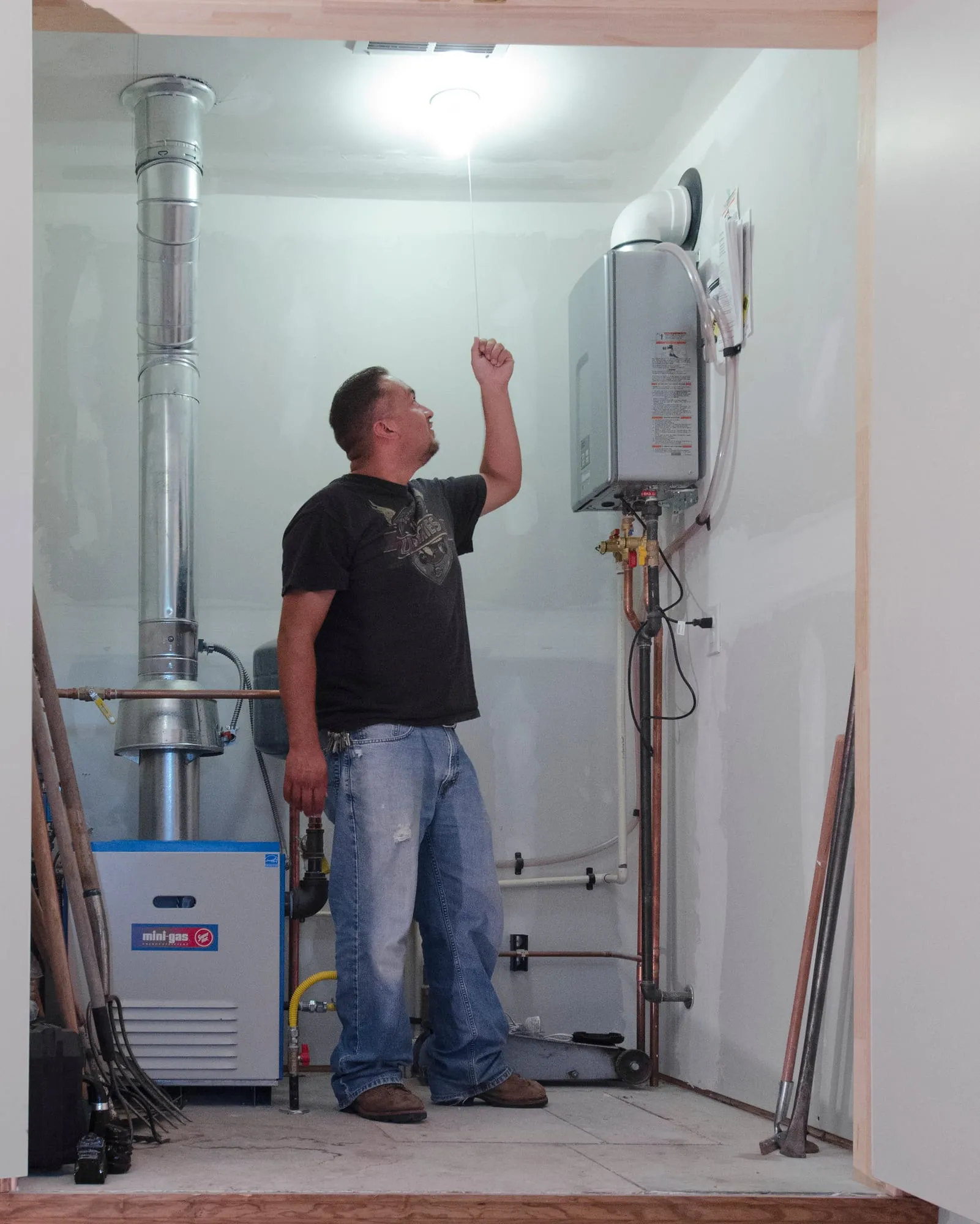
The audit is the heart of the program. An energy auditor visits your home and runs a computerized assessment of how you use energy. The auditor reviews your bills, runs a test with a fan in the door (a blower-door test) to measure how much outside air gets in, and inspects the energy equipment and every area: the living space, the attic, the basement. The auditor also looks for health and safety problems.2
From there, the auditor gives you a list of the most cost-effective measures for your home. The auditor or a crew leader explains how the work will be done and how long it will take. When it is finished, a provider inspector checks that everything was completed, meets the specifications and that equipment runs safely.2 The regulation does not allow a home to be reported as finished until all materials are installed and the final inspection is done.4
Get ready for the visit:
- Have your electric and gas bills for the last year at hand.
- Make a list of what you notice: drafts, cold rooms, an old furnace, windows that do not close.
- Ask which measures they recommend and why, and ask for the plan in writing.
After the work, keep the papers you are given: the plan, the date of the final inspection and the provider’s name. If something stops working, such as the new furnace, call the provider first and ask what warranty the work has. Compare your bills over the next few months with last year’s to see how much you save, and note in your budget what you no longer spend.
If you rent: the owner’s permission and your rent
If you rent, you can also apply for WAP. The provider works with you and your landlord to get permission before starting.2 DOE’s regulation sets conditions for rental buildings:3
- The owner must give written permission.
- Generally, at least 66% of the units in the building must be eligible (50% for duplexes and four-unit buildings).
- The benefits must go primarily to the low-income tenants, even if energy is included in the rent.
- For a reasonable period after the work, your rent cannot be raised because of the weatherization. It can only go up for other reasons that can be shown.
- If your rent goes up, you can file a complaint through your state’s procedure, and the owner must show the increase is not because of the work.
The state can also ask the owner to accept a lien or another agreement to protect the federal investment if there is later an eviction or a sale.3 If your landlord will not give permission or raises your rent after the work, look for free legal aidlegal aidLegal aid is the free civil legal help that nonprofit organizations and their lawyers provide to low-income people in civil, not criminal, matters. In housing, that includes representing families facing eviction or foreclosure, alongside matters such as custody, child support, protection from domestic violence and access to benefits. In the United States, the Legal Services Corporation, created by Congress, funds a nationwide network of these organizations; its finder points you to the one in your area. Each sets its own income limits.See the full definition. Our guide Repairs and housing conditions explains what the owner must fix on their own.
Owner or renter
You apply
You own
- You apply for weatherization with proof of income
- The audit decides which measures make sense for your home
- An inspector reviews the work at the end
The owner gives permission
You rent
- The provider asks for the owner's written permission
- The benefits must go primarily to you
- For a reasonable period your rent cannot be raised because of the work
Either way, ask your county's provider for the application and how long the waiting list is.
While you wait: other help
The waiting list can be long. In the meantime, DOE mentions other federal programs for low-income families:2
- LIHEAP, to help you pay energy bills for a while. Our LIHEAP guide explains how to apply and the crisis help.
- LIHWAP, to help with water service, where it exists.
- Community Action Agencies, which receive CSBG funds for housing, utility and employment services.
- USDA repair loans and grants, for very low-income rural homeowners. Our guide on USDA 504 home repair loans and grants explains the requirements.
If your service is about to be shut off, read our Utility shutoffs guide today. And to see what you spend on power and gas compared with other homes in your area, use the utility costs calculator.
Example with real numbers
A grandmother who lives alone and is cold at home
An example in words, not a real case, of how an application can move forward.
- Her income
- She receives SSI, so she qualifies under DOE's rules
- Her place on the list
- She has priority as an older person
- What the audit finds
- Air leaks around doors and windows, little insulation and an old furnace
- The plan
- The most cost-effective measures the auditor recommends
- At the end
- An inspector checks that the furnace runs safely
The rules in this example come from DOE.342 Use the utility costs calculator to see how much you may be overpaying.
Run it with your numbersElectricity and gas costsIf this is you
You are an older adult
You have priority in the program; tell the provider your age when you apply.4
Someone in your home has a disability
Families with a member with a disability have priority.4
You rent
The owner must give written permission and your rent cannot be raised because of the work.3
You have young children
Families with children have priority; in Oregon, households with children under six.6
You receive SSI
Under the regulation, if someone in your home received SSI in the last 12 months, your home is eligible.3
Your power or gas is about to be shut off
WAP takes time; ask for LIHEAP crisis help first.2
Mistakes that cost you
Mistake: Thinking WAP is only for homeowners.
Instead: Owners and renters can apply.2
Mistake: Waiting for the provider to call without applying.
Instead: Find your provider on your state's site and ask for the application.2
Mistake: Showing up to the appointment without proof of income.
Instead: Bring proof of the prior year's income for your whole household.2
Mistake: Accepting 'free' solar panels from someone who says they are from the program.
Instead: WAP no longer installs new renewable electricity technologies; call your official provider.5
Mistake: Staying quiet if your rent goes up after the work.
Instead: The regulation lets you complain, and the owner must show the increase is not due to the work.3
Mistake: Stopping payment on the bill while you wait.
Instead: Ask for LIHEAP help and a payment plan from your utility.2
What to do this week
- On DOE’s site, find your state’s weatherization administrator.2
- On your state’s site, find your county’s provider and call to ask for the application.2
- Gather proof of last year’s income for everyone in your home and your power and gas bills.2
- If you rent, tell the owner and ask them to be ready to give written permission.3
- If you cannot pay the bill while you wait, apply for LIHEAP.2
- Build your family budget with what you pay for energy today, so you can see the savings later.
Your household this month
Let's do the math
Left each month
Enter what at least one person takes home to see the result.
What helps
- Pay savings first: set the goal aside the day the money arrives, before flexible spending.
- Add up the bills that come every few months (car insurance, school) and divide by twelve.
- If income changes, plan on a low month and save the extra from good months.
- A HUD-approved housing counselor can go over the budget with you, often for free.
This is a planning tool with your numbers, not a credit evaluation or an approval. The split reference is only a guide.
Ready to see the numbers? Find your county here
See how this applies in your county: its loan limits, prices and rents, from the official data.
Printable checklist
Frequently asked questions
How much does it cost me?
WAP is paid for with federal and state funds that go to local agencies. In Oregon, for example, the state agency says it provides services at no cost to eligible households. Ask your local provider whether you will be asked to pay anything.
Who qualifies?
Under DOE's rules, households with income up to 200% of the poverty level, or with someone receiving SSI, and in some states those eligible for LIHEAP. Older people, people with disabilities, families with children and households that spend a lot on energy get priority.
I rent. Can I apply?
Yes. Owners and renters can apply. If you rent, the provider needs the owner's written permission, and DOE's rules say that for a reasonable period after the work your rent cannot be raised because of the weatherization.
What gets fixed?
An energy audit of your home decides. The most common measures are air sealing, insulation and heating or cooling upgrades. In Oregon, for example, they include insulation, minor repairs, furnace repair or replacement and duct improvements.
Will they install solar panels?
Not through WAP right now. DOE said that starting in program year 2026, renewable electricity-generation technologies not on the program's official list are no longer permitted, and it is not approving new ones.
How long does it take?
It depends on your county. If you are income eligible, you go on a waiting list. When your turn comes, an auditor visits your home, the work is done and an inspector checks it at the end.
What do I do while I wait if I cannot pay the bill?
Ask for LIHEAP help with the bill and ask your power or gas company about payment plans. DOE also mentions Community Action Agencies and, if you live in a rural area, USDA repair loans and grants.
Sources
Every figure in this guide comes from one of these official sources. The number next to a sentence leads to the source behind it.
Each source on one line: who publishes it, its title, its address and the date we read it.
- 1. U.S. Department of Energy (DOE) · Weatherization Assistance Program · energy.gov · Accessed October 31, 2026
- 2. U.S. Department of Energy (DOE) · How to Apply for Weatherization Assistance · energy.gov · Accessed October 31, 2026
- 3. Department of Energy (via Cornell LII) · 10 CFR §440.22, Eligible dwelling units · law.cornell.edu · Accessed October 31, 2026
- 4. Department of Energy (via Cornell LII) · 10 CFR §440.16, Minimum program requirements · law.cornell.edu · Accessed October 31, 2026
- 5. U.S. Department of Energy (DOE) · Weatherization Program Notice 26-1: Program Year 2026 Weatherization Grant Application · energy.gov · Accessed October 31, 2026
- 6. Oregon Housing and Community Services · Low-Income Weatherization Assistance Programs (fact sheet 2026) · oregon.gov · Accessed October 31, 2026
Keep reading
Related guides
If this guide helped, these follow the same path.

Help and programs 10 minute read
LIHEAP: help paying for power, gas and heat
What LIHEAP is, who qualifies, how to apply in your state, crisis help when a shutoff is coming and free weatherization (WAP) to lower your bills.
- LIHEAP helps with heating, cooling, energy crises and weatherization; each state decides the details.
- Federal law sets the income limit at the greater of 150% of the poverty level or 60% of state median income, and anyone receiving SNAP, SSI or TANF can qualify through that.
- If a shutoff is coming, ask for crisis help: the law requires help within 48 hours, or 18 if life is in danger.
- Money problems Power or gas shutoff notice: your protections and next steps If your power or gas is about to be shut off for non-payment: notice periods, health and extreme-weather protections, crisis help and how to complain. 11 minute read
- Owning a home USDA 504: home repair loans and grants for rural homeowners USDA Section 504 repair loans and grants for very-low-income rural homeowners: the age rule for grants, the 1% interest rate and how to apply. 13 minute read
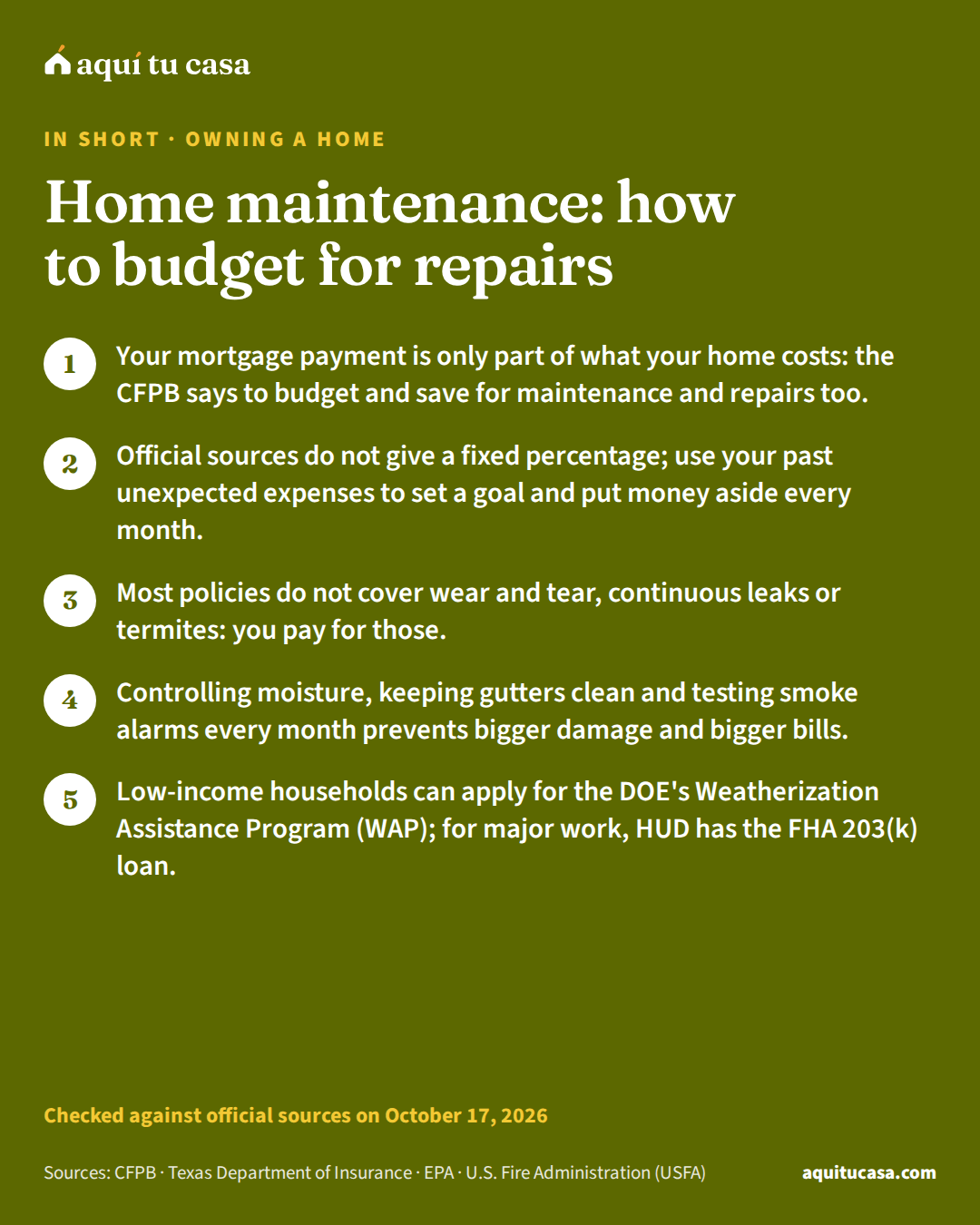
- Owning a home Home maintenance: how to budget for repairs How to plan and save for home maintenance and repairs: what insurance does not cover, what the IRS says and what help exists to fix up your home. 13 minute read

Tools for this topic
Was this guide useful?
Thank you. Your answer stays in your browser; nothing is sent.